
Website UI/UX Design: Creating Digital Experiences That Drive Growth
Article guide
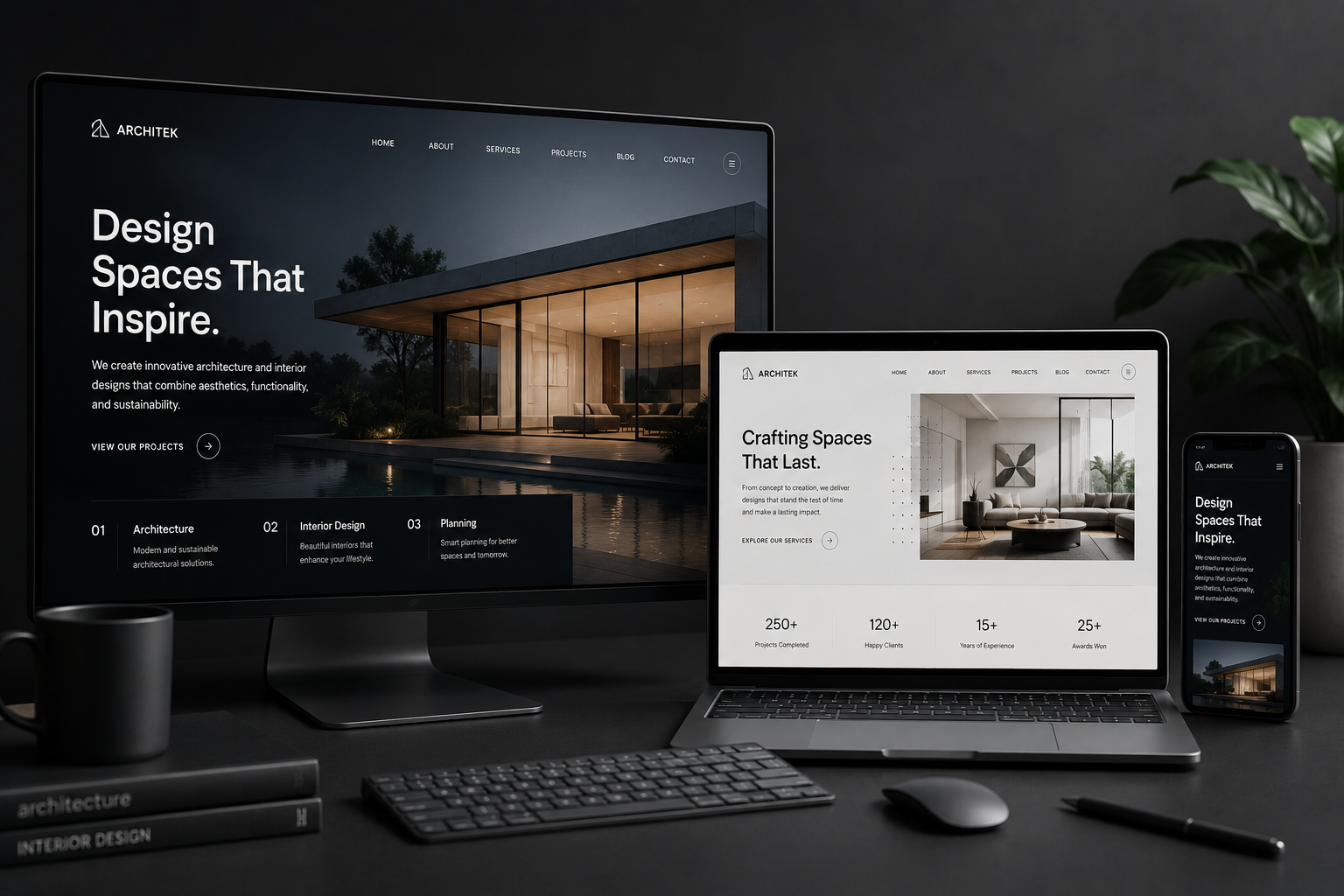
A complete approach to research, structure, content, accessible interface design, performance, testing, and continuous website improvement.
A growth-focused website helps the right visitor understand, trust, and act with minimal friction. Effective UI/UX design connects user needs with business goals, clear content, accessible interactions, and dependable technical performance.
1. Define Users and Business Outcomes
Begin with the visitors the website must serve, the questions they bring, the tasks they need to complete, and the barriers that make them leave. Interviews, analytics, search data, sales calls, and support conversations reveal those needs.
The business should identify priority outcomes such as enquiries, purchases, bookings, applications, or product adoption. Clear outcomes prevent the project from becoming a collection of attractive pages without a shared purpose.
2. Structure Information Around Real Questions
Information architecture groups pages in language visitors recognise. Navigation, search, labels, and internal links should help people predict where content lives and move confidently between related decisions.
Content inventories and user flows expose gaps, repetition, and dead ends before visual design begins. A simple structure is not necessarily small; it is understandable.
3. Design the Content Journey
Each page needs a clear job, an ordered argument, and a useful next action. Headlines establish relevance, body copy builds understanding, evidence reduces doubt, and calls to action help visitors continue without pressure.
Wireframes test hierarchy and sequence while changes are still inexpensive. They should reflect realistic content lengths rather than placeholder text, because content is part of the interface.
4. Create a Consistent Interface System
Typography, colour, spacing, grids, imagery, controls, cards, forms, and feedback states should follow reusable rules. A component system improves consistency and makes later pages faster to design and build.
Visual hierarchy should show what matters through scale, spacing, contrast, and position. Decoration should support comprehension and brand character rather than compete with the task.
5. Design for Accessibility and Responsive Use
Readable text, sufficient contrast, keyboard access, meaningful headings, labelled forms, visible focus, descriptive alternatives, and comfortable touch targets make the site usable by more people.
Responsive design prioritises content and interaction for each screen rather than shrinking a desktop layout. Mobile visitors need stable pages, clear actions, and controls that remain easy to operate.
6. Protect Speed, Search, and Trust
Performance affects usability, conversion, and search visibility. Optimised images, restrained scripts, stable layouts, efficient fonts, caching, and sensible loading strategies keep the experience responsive.
Technical SEO, secure delivery, privacy choices, clear policies, accurate contact information, and credible proof help visitors and search engines understand the site. Trust is created by the whole system.
7. Test and Improve With Evidence
Prototype tests reveal confusing labels, missing information, and difficult flows. Pre-launch checks cover browsers, devices, accessibility, forms, analytics, redirects, metadata, performance, and error states.
After launch, study task completion, drop-off, search behaviour, conversion quality, page speed, and customer feedback. Prioritised experiments turn the website into an improving product rather than a finished brochure.
8. Conclusion
Effective website UI/UX design aligns user intent, business outcomes, content, interface craft, accessibility, and technology. Weakness in any one layer can interrupt the journey and reduce trust.
A clear structure and disciplined design system create the foundation, while measurement keeps the experience relevant. That combination helps visitors succeed and allows the website to contribute consistently to growth.