One of the most important factors that can help boost the small and medium businesses is digital marketing.
Introduction
In today's day and age, digital marketing is the lifeblood of any business – especially small and medium businesses (SMEs). It is easier to target the right audience, gain brand awareness, generate quality leads and track the ROI than traditional marketing techniques and it is cost effective! The businesses have the opportunity to connect with their consumers because they spend the majority of their time online via social media, search engines, email and content marketing.
Let's dissect the importance of digital marketing, some tips for social media, the benefits of using content marketing in lead generation and how to measure the ROI of your digital marketing in this article.
Businesses today can't do without Digital Marketing.
The behaviour of consumers has totally changed in the last decade. Whether it's to look for products, shop around, check out reviews or get recommendations, most customers start their buying process online these days.
A rise in consumer visibility on the Internet. An increase in consumer visibility online.
Industry research has verified that billions of individuals are logging on to the web each day to get information and make purchase decisions. This means that it's critical for businesses to have a strong online presence to remain visible and competitive.
Digital marketing can help businesses to:
Get your message to more people.
• Build brand awareness
Communicate directly with customers
• Generate quality leads
• Increase sales opportunities
Cost-Effective Marketing Solution
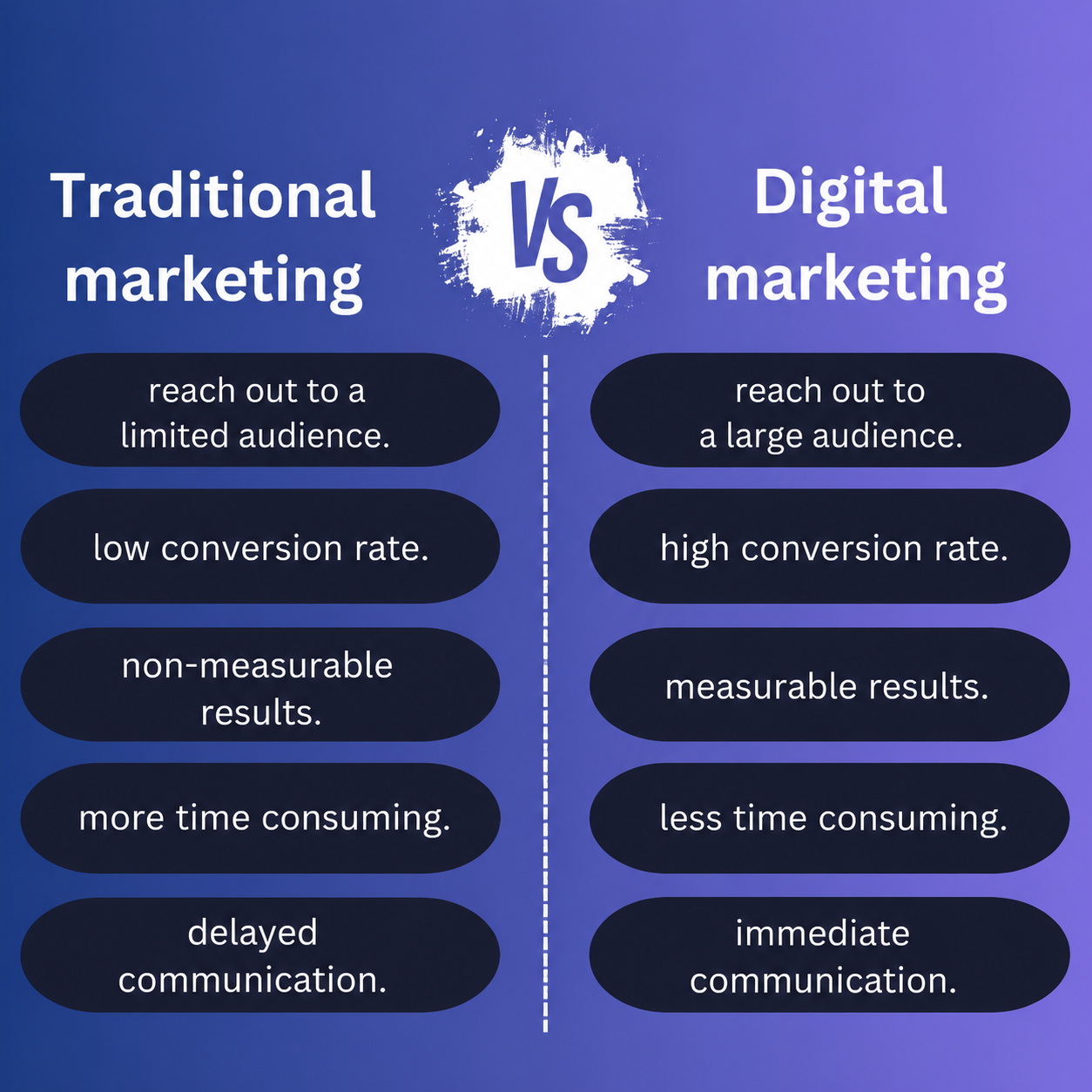
Digital marketing allows businesses to reach niche audiences based on their interests, demographics, behaviors and locations, unlike traditional advertising.
Or in other words, SMBs can do it at a lower cost. For businesses hoping to make the maximum amount from their advertising spend, a local SEO campaign or a targeted social media ad is the best choice.
Real-Time Performance Tracking
One of the benefits of digital marketing is the ability to track results in real-time.
Businesses can monitor:
Website Traffic | Lead Generation | Conversion Rates | Social Media Engagement | Advertising Performance
This data-driven approach allows companies to continuously refine and optimise their campaigns, improving their marketing strategies.
Building Customer Relationships
Digital marketing is not a sales and marketing campaign. It also allows businesses to create a personalized and engaging interaction with the customer.
Building trust and loyalty through social media engagement, email marketing, and the creation of relevant and valuable content can help ensure a loyal customer base, which is crucial for long-term business success.
Understand the fundamentals of Search Engine Optimization (SEO).
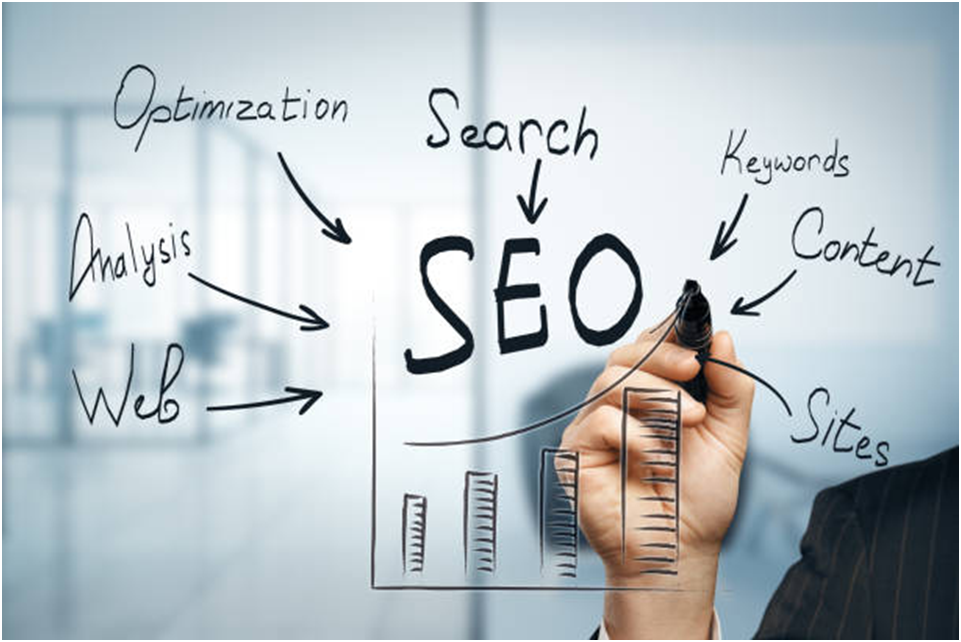
One of the most significant factors of digital marketing is Search Engine Optimization (SEO). SEO is the optimization of a website to better their performance in the search engine results pages (SERP).
When people are searching online, the first few results that they click on are likely to be the first few businesses that show up in the search results, and they're more likely to visit and convert to leads if they're these businesses.
Why SEO Matters
SEO helps businesses:
• Boost web traffic by generating organic traffic.
• Improve online visibility
Gain confidence and trustworthiness
• Generate high-quality leads
Besides the above, limit the amount of advertisements you're paying for.
SEO is an affordable method for small and medium businesses to compete with bigger businesses.
Key Elements of SEO
Keyword Research
Keyword research is finding out what keywords and phrases the consumers will search for on the net.
Examples include:
•Digital marketing services
• SEO company
Social media marketing agency
• Website development services
Having keywords that are relevant throughout the content of the website will aid in the search.
On-Page SEO
On page SEO involves optimising the following elements on the website:
Page Titles | Meta Descriptions | Headings | Images | Internal Links | Content Structure
Optimization elevates user experience and search engine end result.
Technical SEO
Technical SEO makes sure that websites are easily crawled and indexed by search engines.
Important factors include:
Website Speed | Mobile Responsiveness | Secure HTTPS Connections | XML Sitemaps | Structured Data
Local SEO
Especially for businesses like small and medium-sized enterprises (SMBs) that serve a specific geographic area, local SEO is very important.
Strategies include:
Local Search Engine Marketing (LSM)
Local Keyword Targeting | Online Reviews | Location-Specific Content
It is essential that local businesses get local customers who are looking for them, and local SEO plays a critical role in that.
Social Media Marketing Strategies
In today’s digital landscape, social media stands out as one of the most potent marketing tools at our disposal. Platforms like Facebook, Instagram, LinkedIn, X (formerly Twitter), Pinterest, and YouTube offer businesses a unique way to connect directly with their audience.
Benefits of Social Media Marketing
Social media can do wonders for businesses by helping them:
• Boost brand awareness
• Foster customer relationships
• Drive traffic to their websites
• Generate valuable leads
• Promote their products and services
For small and medium-sized businesses (SMBs), social media is a cost-effective way to reach a broad audience.
Create Platform-Specific Content
Each social media platform has its own vibe and requires a tailored approach.
For instance:
• Instagram is all about eye-catching visuals.
• LinkedIn is geared towards professional networking.
• Facebook encourages community interaction.
• YouTube shines in the realm of video marketing.
• Pinterest is fantastic for driving traffic through visual inspiration.
Grasping how each platform works can significantly enhance your campaign’s success.
Consistent Posting Schedule
Staying consistent is key to thriving on social media.
Businesses should keep a content calendar and regularly share:
Educational Posts | Industry Insights | Customer Testimonials | Product Updates | Promotional Offers
Regular activity helps build trust and keeps your audience engaged.
Engage with Your Audience
Effective social media marketing is all about having a conversation.
Businesses should:
Respond to Comments | Answer Questions | Join Discussions | Acknowledge Customer Feedback
Being actively engaged not only strengthens customer relationships but also enhances how your brand is perceived.
Utilize Paid Social Advertising
Investing in paid social media campaigns allows businesses to target specific audiences based on:
Age | Location | Interests | Behaviors | Job Titles
This level of targeting helps SMBs make the most of their advertising budgets and attract quality leads.
Content Marketing for Lead Generation
Content marketing involves creating valuable, relevant, and consistent content to draw in and engage a specific audience.
Instead of pitching your product or service directly, you teach and inform prospects about topics related to what you offer.
Why Content Marketing Works
Modern customers want to research solutions before buying anything.
High-quality content helps businesses:
Establish Authority | Build Trust | Improve SEO Rankings | Generate Leads | Nurture Prospects
Types of Content Marketing
Businesses can create:
Blog Posts | Case Studies | Videos | Infographics | E-books | Whitepapers | Webinars | Social Media Content
Each content type serves different stages of the customer journey.
Lead Generation Through Valuable Content
When businesses provide useful information, they’re drawing people who are looking for answers.
Examples include:
Downloadable Guides | Industry Reports | Educational Blogs | Free Consultations | Email Newsletters
These resources help you convert your website visitors into leads by prompting people to share their contact information.
Content and SEO Working Together
Content marketing and SEO go hand in hand.
Search engines prefer sites that are consistently publishing quality, relevant content. Targeting the right keywords and answering customers’ questions will help you improve your search ranking and earn more organic traffic.
Building Long-Term Trust
Unlike paid advertising, content keeps working long after you publish it.
Well-written blogs, videos, and guides can draw traffic and leads for months—even years—making content marketing one of the most sustainable digital marketing tactics there are.
Measuring ROI from Digital Marketing Campaigns
In order for investing in digital marketing to be worthwhile, your business needs to track results.
That’s where Return on Investment (ROI) comes in handy. It tells you whether your marketing efforts are paying off.
So what exactly is Marketing ROI?
Marketing ROI (return on investment) measures how profitable your marketing efforts are by subtracting the cost of campaigns from the revenue they generate.
Positive ROI means you’re earning money from marketing.
Key Performance Indicators (KPIs)
Businesses should track metrics such as:
Website Traffic | Lead Generation | Conversion Rates | Cost per Lead (CPL) | Customer Acquisition Cost (CAC) | Social Media Engagement | Email Open Rates | Revenue Growth
These metrics will help you gauge how your campaign is doing.
Using Analytics Tools
Several tools help businesses measure digital marketing success:
Google Analytics | Google Search Console | Meta Business Suite | LinkedIn Analytics | Email Marketing Platforms
These tools will help you learn about your audience and the performance of your campaigns.
Continuous Optimization
Digital marketing is an ongoing process.
Businesses should regularly:
Analyze Performance Data | Identify Improvement Opportunities | Optimize Strategies | Test New Approaches
Continuously optimizing means that your marketing budget is being utilized effectively and efficiently.
Making Data-Driven Decisions
Real-time access to data means your business can be guided by hard facts.
Instead of guessing, SMBs can concentrate on effective approaches that generate tangible outcomes.
Conclusion
Digital marketing helps small and medium businesses grow by increasing online visibility, attracting customers, and boosting sales. Through SEO, social media, and content marketing, businesses can reach their target audience cost-effectively and measure results in real time. As more consumers move online, digital marketing has become essential for building brand awareness and achieving long-term business success.